Category: Uncategorized

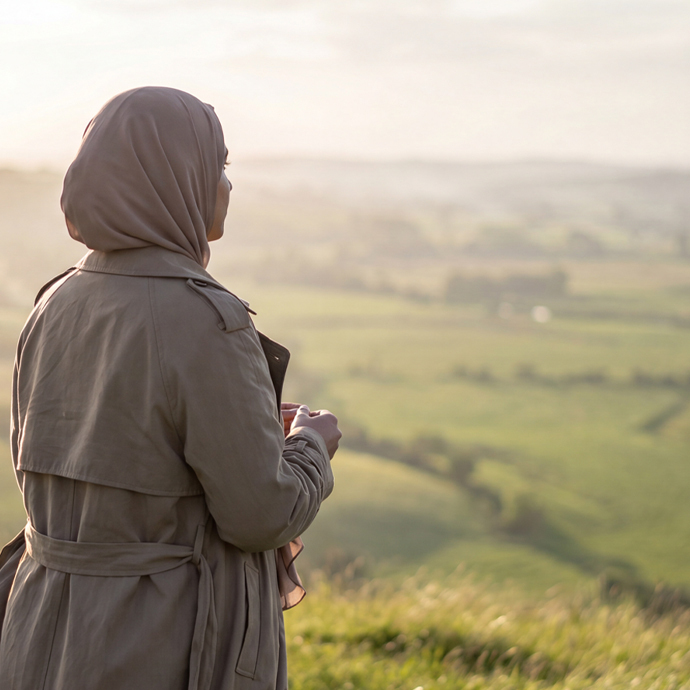
  • Why Is Being Single So Hard as a Muslim in the UK? The Honest Truth No One Talks About

    Why Is Being Single So Hard as a Muslim in the UK? The Honest Truth No One Talks About

    The Pressure Is Real… And It Comes from Every Direction

    Being single as a Muslim in the UK is not just a personal experience. It is a community experience… and that community has opinions.

    • Family pressure to marry often begins in your early twenties, sometimes earlier
    • Rishta culture, where relatives scout for matches, still dominates in many South Asian, Arab, and East African households
    • Social media adds a new layer, with wedding announcements and baby photos creating a constant sense of “everyone else has figured this out”
    • Young British Muslims feel caught between two worlds… the expectations of their families and the realities of life in Britain

    Research confirms this in-between feeling is common. Young Muslims frequently talk about dealing with two or three cultures at once, which can cause guilt, loneliness, and incompetence in both worlds.

    The pressure is real. And pretending it is not helps no one.

    The Age Reality vs. The Community Expectation

    Here is something important that rarely gets said out loud.

    Muslims in the UK are marrying later than ever before. In 2024, a report found that 58% of married Muslims globally are between the ages of 30 and 49, with only 17% marrying between 18 and 29. Later marriage is increasingly normal… not exceptional.

    Most Muslims do get married. It just takes longer now, and the problem is that community expectations have not moved with the times. The message young Muslims hear is still: marry young, marry fast. But the world they are actually living in looks very different.

    Why Finding a Halal Match Is Harder Than It Looks

    The Pool Is Smaller Than People Think

    Muslims in Britain come from incredibly diverse backgrounds… Pakistani, Bangladeshi, Somali, Arab, Turkish, West African, revert, and mixed heritage communities. Many families still have strong preferences around ethnicity, caste, nationality, or sect on top of Deen itself.

    Research cited by the Religion Media Centre notes that around 90% of Muslims want to marry within the Deen. But within that, the further filters, such as level of religiosity, career, and family background, can shrink an already limited pool dramatically.

    Traditional Routes Are Breaking Down

    The arranged marriage system, where family networks made introductions, worked partly because communities were more geographically and culturally unified. That is no longer the case for most British Muslims.

    • Families often do not have the connections anymore
    • Young Muslims want to be involved in choosing their own spouse, and rightly so
    • But there is no clear, comfortable, Halal middle ground between “my parents pick someone” and “I use a marriage app”

    This gap is where many singles get stuck.

    Apps Help… But They Are Not a Magic Solution

    Muslim marriage apps have grown significantly and provide a valuable space. But they come with their own challenges:

    • Ghosting and non-serious users are a common complaint
    • Romance fraud is a real and growing danger… UK victims lost over £106 million to romance scams in 2024, according to the City of London Police
    • Cultural mismatches still happen even on Muslim-specific platforms
    • Some users find the experience impersonal and disheartening

    Apps are a tool, not a solution on their own.

    The Cost of Getting Married Is Blocking People

    This is one of the least talked-about reasons why so many Muslims remain single… and it deserves a direct conversation.

    Muslim and Asian weddings in the UK can cost around £25,000 once you factor in all the events, bride’s gold, Mahr, venue, catering, photography, and travel.

    Now consider this: a significant portion of British Muslims live in some of the most economically deprived areas in the UK (Islamic Finance Guru, 2025). The expectation of a large, expensive wedding sits uncomfortably against this financial reality.

    Mahr is another area of growing tension. While Islam encourages a modest Mahr, the cultural pressures can push expectations far higher. In several cases, it sometimes delays or prevents marriages from happening at all.

    The good news? More scholars and community leaders are now openly encouraging simpler Nikahs, smaller gatherings, and realistic Mahr amounts. The Prophet ﷺ said: “The best of marriages are those made easiest.” 

    The reminder is more relevant now than ever.

    The Mental Health Toll Nobody Talks About

    Being single in the Muslim community, especially past your late twenties, can quietly damage your mental health in ways that are hard to name.

    • Feelings of shame and inadequacy build up over years of unsuccessful rishtas
    • People begin to wonder if something is wrong with them
    • Isolation grows when peers are married, and social circles shift
    • The pressure to appear fine, because “Muslims don’t air their problems”, makes things worse

    Mindful Ummah, an organisation supporting British Muslims, notes that mental health in the community is often a silent struggle, hidden behind cultural expectations and the fear of being judged.

    Reverts, Divorcees, and Those Who Do Not Fit the Template

    Some groups find this journey even harder:

    Reverts often have no Muslim family network, no Wali, and no cultural community to draw on. They are expected to handle a system built for people with existing connections.

    Divorcees face stigma that Islam itself does not impose. The Deen is clear that remarriage after divorce is not only permitted but encouraged. The community, however, does not always reflect this.

    Single parents and those with health conditions or disabilities frequently feel invisible in matrimonial conversations.

    These are real people. They deserve to be part of the conversation too.

    What Is Actually Helping and What You Can Do

    Despite everything, there are genuine reasons for hope. The community is slowly adapting.

    • Halal social events; Muslim quiz nights, hiking groups, running clubs, and book clubs are creating natural, low-pressure spaces to meet people
    • Better matrimonial platforms are introducing identity verification and Wali approval features to make the process safer and more dignified
    • Wali networks are emerging to support reverts who have no Muslim guardian
    • Mosques and Islamic centres in several cities are beginning to offer premarital workshops and marriage preparation sessions
    • Scholars and community voices are increasingly calling for simpler, more affordable weddings

    If you are single and struggling, here are a few honest suggestions:

    • Attend community events or join Shariah-compliant marriage apps with the intention to meet people, not just with the pressure to find “the one” immediately
    • Be open about your preferences… clarity upfront saves everyone time
    • Work on your own readiness… emotionally, spiritually, and practically, rather than waiting for a perfect moment
    • Seek support if the pressure is affecting your mental health; this is not weakness, it is wisdom

    You Are Not Failing. The System Is Just Hard.

    Being single as a Muslim in the UK is not a sign that something is wrong with you. It is a sign that you are handling a genuinely complex set of challenges, cultural, financial, legal, and social, that your parents simply did not face in the same way.

    The Deen has not changed. Marriage is still beautiful, still encouraged, still worth pursuing. But the path there in modern Britain requires patience, self-awareness, and a space that is based on principles of Deen.

    May Allah make it easy for all those who are seeking a righteous spouse. Ameen.

  • How to Perform Istikhara for Marriage And Why the Day of Arafah is the Best Time to Do It?

    How to Perform Istikhara for Marriage And Why the Day of Arafah is the Best Time to Do It?

    Table of Contents

    1. Introduction
    2. What is Istikhara?
    3. Why Istikhara Matters for Marriage
    4. How to Perform Istikhara for Marriage
    5. The Istikhara Dua
    6. Common Misconceptions About Istikhara
    7. Why the Day of Arafah is the Best Time to Make Istikhara for Marriage
    8. What to Do After Istikhara
    9. Conclusion
    10. Frequently Asked Questions (FAQs)

      What is Istikhara?

      Istikhara comes from the Arabic word Khayr, meaning goodness. To perform Istikhara is to ask Allah: guide me to what is good.

      It is a specific prayer; two rakahs of voluntary Salah followed by a heartfelt Dua… that the Prophet ﷺ taught his companions as a means of seeking divine guidance in all important matters.

      Jabir ibn Abdullah (R.A) narrated:

      “The Prophet ﷺ used to teach us Istikhara for all our affairs, just as he used to teach us a Surah of the Quran.” (Sahih al-Bukhari)

      Read that again. He taught it the way he taught the Quran. That is how significant this prayer is in Islam.

      It is not a ritual reserved for scholars or the especially pious. It is for every Muslim… young or old, male or female… who faces a decision they cannot resolve on their own.


      Why Istikhara Matters for Marriage

      Marriage is the single most important personal decision most Muslims will ever make. It shapes your Deen, your daily life, your peace of mind, your children, and your journey to Allah.

      And yet so many Muslims make this decision based almost entirely on what they can see… appearance, career, family background, cultural compatibility… while forgetting to ask the One who can see what they cannot.

      The Prophet ﷺ said:

      “Whoever Allah provides with a righteous wife, Allah has assisted him in half of his religion. Let him fear Allah regarding the second half.” 

      If the right spouse is worth half your Deen, does it not deserve the most sincere prayer you can offer?

      Istikhara is not a shortcut or a magic formula. It is an act of humility. It is you saying to Allah: I have done my research. I have consulted those I trust. But You know what I do not know. Guide me. For Muslims preparing for Nikah, this guidance can be one of the most valuable tools in making a decision with confidence and Tawakkul.

      How to Perform Istikhara for Marriage: Step by Step

      Step 1: Make Wudu

      Begin with ablution, as you would for any prayer. Approach this with intention, you are about to stand before Allah and ask Him about one of the most important decisions of your life.

      Step 2: Pray Two Rakahs

      Pray two units of voluntary prayer (Nafl), not the obligatory prayers. These two Rakahs are specifically for Istikhara. Recite Surah Al-Fatihah and any other Surah in both units.

      Avoid the times when voluntary prayers are prohibited:

      • After Fajr until the sun has fully risen
      • When the sun is at its peak (midday)
      • After Asr until sunset

      Step 3: Recite the Istikhara Dua

      After completing the two Rakahs, raise your hands and recite the Istikhara dua with a present and sincere heart. When you reach the words “this matter” hold the marriage decision clearly in your mind, or mention it specifically.

      Step 4: Ask and Then Move

      After Istikhara, trust Allah and continue moving forward with your best judgment. Do not sit and wait passively. Istikhara is not about receiving a dream or a miraculous sign, it is about aligning your heart with Allah’s will and then taking the next step with Tawakkul (reliance on Him).


      The Istikhara Dua: Arabic \u0026 English Translation

      Arabic:
      اللَّهُمَّ إِنِّي أَسْتَخِيرُكَ بِعِلْمِكَ وَأَسْتَقْدِرُكَ بِقُدْرَتِكَ وَأَسْأَلُكَ مِنْ فَضْلِكَ الْعَظِيمِ فَإِنَّكَ تَقْدِرُ وَلَا أَقْدِرُ وَتَعْلَمُ وَلَا أَعْلَمُ وَأَنْتَ عَلَّامُ الْغُيُوبِ اللَّهُمَّ إِنْ كُنْتَ تَعْلَمُ أَنَّ هَذَا الْأَمْرَ خَيْرٌ لِي فِي دِينِي وَمَعَاشِي وَعَاقِبَةِ أَمْرِي فَاقْدُرْهُ لِي وَيَسِّرْهُ لِي ثُمَّ بَارِكْ لِي فِيهِ وَإِنْ كُنْتَ تَعْلَمُ أَنَّ هَذَا الْأَمْرَ شَرٌّ لِي فِي دِينِي وَمَعَاشِي وَعَاقِبَةِ أَمْرِي فَاصْرِفْهُ عَنِّي وَاصْرِفْنِي عَنْهُ وَاقْدُرْ لِي الْخَيْرَ حَيْثُ كَانَ ثُمَّ أَرْضِنِي بِهِ
      Translation:
      “O Allah, I seek Your guidance by virtue of Your knowledge, and I seek ability by virtue of Your power, and I ask You of Your great bounty. You have power and I have none. You know and I do not know. You are the Knower of all unseen things.
      O Allah, if in Your knowledge this matter is good for me in my religion, my livelihood and my affairs, then ordain it for me, make it easy for me, and bless me in it.
      And if in Your knowledge this matter is bad for me in my religion, my livelihood and my affairs, then turn it away from me and turn me away from it, and ordain for me the good wherever it may be, and make me content with it.”
      (Sahih al-Bukhari)

      Common Misconceptions About Istikhara

      Many Muslims hold beliefs about Istikhara that have no basis in the Sunnah. Here are the most common ones… cleared up:


      Misconception The Truth
      I must have a dream after Istikhara There is no authentic Hadith linking Istikhara to dreams. The outcome is usually seen in how events unfold
      Only a scholar can do Istikhara for me Any Muslim can perform Istikhara for their own decisions. It is a personal prayer
      I should feel a strong emotion or sign immediately Signs of Istikhara are often subtle, ease or difficulty in how matters proceed, a feeling of peace or unease
      I should stop all effort and just wait Istikhara is paired with effort; continue researching, consulting, and moving forward
      I only need to do it once If uncertainty remains, you may repeat Istikhara. There is no strict limit


      Why the Day of Arafah is the Best Time to Make Istikhara for Marriage

      This is the part nobody else is telling you, and it changes everything.

      The Prophet ﷺ said:

      “The best supplication is the supplication on the Day of Arafah.” (Tirmidhi)

      Not the best supplication of Dhul Hijjah. Not the best supplication of the year. The best supplication… full stop.

      And the Prophet ﷺ also said about this day:

      “There is no day on which Allah frees more people from the Fire than the Day of Arafah. He draws near and then boasts of them to the angels, saying: What do these people want?” (Sahih Muslim)

      He draws near. He asks: what do these people want?

      If you are searching for a spouse, uncertain about a proposal, or asking Allah to open the door of a blessed marriage, Arafah is the day to make that request. 

      Not because Istikhara cannot be performed on other days, it can. But because performing Istikhara on the Day of Arafah means you are offering your two Rakahs and your Dua on the day Allah has described as the greatest day for supplication. For those considering getting married in Dhul Hijjah, it is also an opportunity to seek Allah’s guidance and blessings during one of the most virtuous periods of the Islamic year.

      You are asking at the peak moment of the year.

      You are asking when Allah draws closest to His servants.

      You are asking when more than two million pilgrims are also raising their hands at Arafah, and the mercy of Allah fills the earth.


      How to make the most of Arafah for your Istikhara:

      • Fast on the Day of Arafah if you are able, it purifies the heart and prepares it for sincere Dua
      • Dedicate time specifically to supplication
      • Begin with Dhikr and praise of Allah before making your request
      • Recite the Istikhara Dua with the marriage matter clearly in your heart
      • Follow with personal Dua in your own words, pour your heart out completely
      • End with Salawat upon the Prophet Muhammad ﷺ

      What to Do After Istikhara

      After performing Istikhara, especially on Arafah, here is what the scholars advise:

      • Continue with wisdom; consult trusted family members, do your research, and assess compatibility
      • Look for ease or difficulty; if things proceed smoothly and your heart feels at peace, that is a positive sign. If obstacles multiply and unease grows, take that seriously
      • Do not wait indefinitely; Istikhara is not a reason to delay a good decision. It is guidance, not a pause button
      • Trust Allah’s decree; whatever unfolds after sincere Istikhara is, by Allah’s wisdom, better for you than what you would have chosen alone

      The Istikhara Dua itself contains the answer to this; you ask Allah to ordain what is good and turn you away from what is harmful. That is not a passive prayer. That is an active surrender to the One who knows best.

      Conclusion

      Marriage is too important to decide without Allah.

      Istikhara for marriage is not a formality to tick off before a Nikah. It is an act of surrender, of placing your most important decision in the hands of the One who knows your past, your present, and your future simultaneously.

      And the Day of Arafah is not just a good day to make this prayer. It is the best day. The day the Prophet ﷺ described as the greatest day for supplication. The day Allah draws near and asks His servants what they want.

      Tell Him what you want.

      Ask Him to guide you to the right person, at the right time, in the right way. Ask Him with certainty. Ask Him with humility. And then trust that He heard you because He always does.

      Looking for Someone Who Shares Your Values?

      Once you have asked Allah for guidance, the next step is putting yourself in the right place to be found. 


      Pure Matrimony is where practising Muslims go when they are ready to find a spouse the right way.


      👉 Explore Pure Matrimony


  • Is Dhul Hijjah a Good Time to Get Married? What Islam Says About Nikah in the Blessed Days

    Is Dhul Hijjah a Good Time to Get Married? What Islam Says About Nikah in the Blessed Days

    Table of Contents

    1. Introduction
    2. Is There a Best Time to Get Married in Islam?
    3. Why Dhul Hijjah Is One of the Most Blessed Times of the Year
    4. Did Anyone in Islamic History Get Married in Dhul Hijjah?
    5. What Makes Dhul Hijjah Powerful for Nikah?
    6. Are There Any Days to Avoid for Nikah?
    7. What Actually Matters More Than the Month
    8. The Best Dua to Make for Marriage in Dhul Hijjah
    9. Conclusion
    10. Frequently Asked Questions (FAQs)

      Is There a Best Time to Get Married in Islam?

      Islam does not restrict marriage to specific months or seasons. You can perform a Nikah any time of the year… there is no single prescribed “wedding season” in the Shariah.

      However, certain times carry more Barakah (blessing) than others, and scholars have highlighted a few particular windows:


      Time Why it is recommended Reference
      Month of Shawwal The Prophet ﷺ married Aisha (R.A) and consummated the marriage in Shawwal. She encouraged women to marry in this month to dispel a pre-Islamic superstition that it was unlucky Sahih Muslim
      Friday The most blessed day of the week. Many scholars recommend performing Nikah on a Friday Widely accepted scholarly opinion
      Dhul Hijjah The most blessed days of the entire year… duas are answered, and the Nikah of Ali (R.A) and Fatimah (R.A) took place in this month Sahih Bukhari


      The key principle in Islam is clear… any time you make a halal intention with sincerity, Allah places barakah in it. But beginning that intention in the most blessed days of the year gives it an extraordinary head start.

      Why Dhul Hijjah Is One of the Most Blessed Times of the Year

      Before we connect Dhul Hijjah to marriage, it is important to understand why these days are so special… because every reason ties directly back to why Nikah in this month carries such weight.

      The Prophet ﷺ Declared These the Best Days of the Year

      Ibn Abbas (RA) reported that the Prophet ﷺ said:

      “There are no days on which righteous deeds are more beloved to Allah than these ten days.” The companions asked: “Not even jihad for the sake of Allah?” He said: “Not even jihad for the sake of Allah… except in the case of a man who went out giving himself and his wealth and came back with nothing.” (Sahih Bukhari)

      Not any other time. These ten days are the most beloved to Allah for righteous deeds, with no exception, and Nikah is one of the greatest Sunnahs of the Prophet ﷺ. 

      He said:

      “Marriage is part of my Sunnah. Whoever does not act upon my Sunnah is not part of me.” (Sunan Ibn Majah)

      Understanding the importance of marriage in Islam helps explain why many scholars view Nikah as one of the most rewarding acts of worship a Muslim can undertake during these blessed days.

      Performing your Nikah during the best days of the year means beginning your marriage with immense Barakah from the very first moment.

      Allah Completed the Religion in These Days

      Allah says in Surah Al-Maidah:

      “Today I have perfected your religion for you, completed My favour upon you, and chosen Islam as your religion.”

      According to scholars, this passage was revealed on the 9th of Dhul Hijjah, also known as the Day of Arafah. In these days, the religion of Islam was completed. One of the most important Sunnahs in a Muslim’s life, getting married in the days when Islam was completed has deep spiritual meaning. 

      Did Anyone in Islamic History Get Married in Dhul Hijjah?

      Yes, and this is the part most people do not know.

      One of the most celebrated marriages in all of Islamic history took place on the 1st of Dhul Hijjah.

      The Nikah of Imam Ali (R.A) and Lady Fatimah al-Zahra (R.A)… the beloved daughter of the Prophet ﷺ himself, is widely documented as having taken place in Dhul Hijjah. The Prophet ﷺ personally performed the Nikah ceremony.

      Think about what that means. The Prophet ﷺ chose to personally oversee the marriage of his beloved daughter during the most blessed days of the Islamic year.

      Their marriage was also a living lesson in Islamic values:

      • Wealth was never the priority, when the Prophet ﷺ asked Ali (R.A) about the Mahr, he had only his armour. The Prophet ﷺ told him to sell it. The Mahr was simple and sincere
      • Deen came first, various wealthy and influential men had proposed to Lady Fatimah (R.A). Every proposal was declined. The Prophet ﷺ chose Ali (R.A) for his Deen and character, not his status or wealth
      • The Nikah was simple, no fancy events, no show. Just two people committing to each other in the presence of Allah and His Messenger ﷺ.

      If Dhul Hijjah was good enough for the marriage of Ali and Fatimah, it is good enough for yours.

      What Makes Dhul Hijjah Powerful for Nikah?

      Your Duas Carry the Greatest Weight

      The Prophet ﷺ said about the Day of Arafah (9th Dhul Hijjah):

      “There is no day on which Allah frees more people from the Fire than the Day of Arafah. He draws near, then boasts of them before the angels, saying: What do these people want?” (Sahih Muslim)

      If you are making Dua for a righteous spouse, or for Barakah in your upcoming marriage, doing so on the Day of Arafah is asking at the most powerful time in the entire year.

      Nikah is an Act of Worship and These Are the Best Days for Worship

      The Prophet ﷺ described marriage itself as an act of worship:

      “Whoever Allah provides with a righteous wife, Allah has assisted him in half of his religion. Let him fear Allah regarding the second half.” 

      Nikah is not just a social contract. It is an act of Ibadah. And performing it during the days that the Prophet ﷺ declared the most beloved to Allah makes it all the more meaningful.

      The Spirit of the Month Mirrors the Spirit of Marriage

      Dhul Hijjah is defined by the story of Ibrahim (AS): complete trust in Allah, willingness to sacrifice, and total submission to His will. These are the same qualities that make a marriage strong. For those preparing for Nikah, a marriage performed in the shadow of Ibrahim’s story serves as a reminder, from day one, of what a truly Islamic relationship looks like.

      What Actually Matters More Than the Month

      Here is the honest truth… the month you get married in matters far less than who you marry and how you approach it.

      Choose someone with Deen. The Prophet ﷺ said:

      “A woman is married for four things: her wealth, her family status, her beauty, and her religion. Choose the one with religion and you will prosper.” (Sahih Bukhari & Muslim)

      The same principle applies for women choosing a husband. A marriage built on shared Deen and genuine commitment will have Barakah in any month.

      Keep it simple. The Prophet ﷺ said:

      “The best marriage is one that is easiest.”

      The most blessed marriages are not the most expensive. They are the most sincere.

      Make Dua… especially now. If you are single and searching, pour your heart out in these ten days. Ask Allah with certainty. The Day of Arafah is the single most powerful day in the year to make Dua for a spouse.

      The Best Dua to Make for Marriage in Dhul Hijjah

      This is the dua from the Quran most widely recommended for those seeking a righteous spouse:

      Arabic: رَبَّنَا هَبْ لَنَا مِنْ أَزْوَاجِنَا وَذُرِّيَّاتِنَا قُرَّةَ أَعْيُنٍ وَاجْعَلْنَا لِلْمُتَّقِينَ إِمَامًا

      Translation: “Our Lord, grant us from among our wives and offspring comfort to our eyes and make us an example for the righteous.” (Surah Al-Furqan)

      Recite this abundantly, especially on the Day of Arafah (9th Dhul Hijjah), when Allah answers more Duas than on any other day of the year. Many Muslims also combine this with Istikhara for marriage when seeking Allah’s guidance about a potential spouse or future Nikah.

      Conclusion

      Dhul Hijjah is not just a permissible time to get married. It is one of the most meaningful times.

      The Prophet ﷺ declared these the best days of the year for good deeds. The Day of Arafah is when duas are most powerfully answered. And one of the most blessed marriages in Islamic history, Ali (R.A) and Fatimah (R.A), took place in this very month.

      If you have been waiting for a sign… this might just be it.

      Ready to Take the Next Step?

      Dhul Hijjah is a time of intention. If marriage has been on your mind, perhaps it is time to take the next step. 

      Pure Matrimony connects practising Muslims worldwide who are serious about their Deen and ready for marriage.

      👉 Find Your Match on Pure Matrimony

  • Qurbani 2026: Everything Practising Muslims Need to Know

    Qurbani 2026: Everything Practising Muslims Need to Know

    Table of Contents

    1. Introduction
    2. What Actually is Qurbani?
    3. Do You Have to Do Qurbani?
    4. Which Animals Can You Use?
    5. When Does Qurbani Have to Happen?
    6. What Do You Do With the Meat?
    7. How to Do Qurbani If You Live in the UK or the West
    8. Conclusion
    9. Frequently Asked Questions (FAQs)

      So, What Actually is Qurbani?Qurbani or Udhiyah in Arabic, is the sacrifice of a livestock animal during the days of Eid ul Adha. Every year, on the 10th of Dhul Hijjah, Muslims around the world slaughter an animal in the name of Allah.But it is not just about the animal. It is about what that act represents.It goes back to one of the greatest stories in Islamic history… when Allah commanded the Prophet Ibrahim A.S to sacrifice his own son Ismail. Both father and son submitted completely, without hesitation. And at the very last moment, Allah replaced Ismail with a ram.
      That moment of total surrender, of putting your love for Allah above everything else, is what Muslims are honouring every single time they perform Qurbani.The Prophet Muhammad ﷺ said:”Whoever can afford to offer a sacrifice but does not do so, let him not approach our place of prayer.”
      (Ahmad \u0026 Ibn Majah)

      That tells you everything about how seriously Islam treats this.

      Do You Have to Do Qurbani?

      The short answer is, it depends on your financial situation.

      Qurbani is obligatory for every Muslim who is:

      An adult of sound mind

      Not travelling during the days of Eid

      Financially able… meaning they own wealth above the Nisab threshold (the same minimum wealth level used for Zakat)

      The simple rule of thumb: if you are eligible to pay Zakat, you are expected to give Qurbani.

      That includes both men and women individually. If both a husband and wife independently meet the Nisab, each must offer their own Qurbani separately.

      If you genuinely cannot afford it, you are not obligated. Islam never burdens a person beyond their means.

      Which Animals Can You Use?

      Not every animal qualifies for Qurbani. Here is a simple breakdown:


      Animal Minimum Age How Many People
      Goat 1 year 1 person only
      Sheep 1 year 1 person only
      Cow / Buffalo 2 years Up to 7 people
      Camel 5 years Up to 7 people


      A few things worth knowing:

      • The animal must be healthy. Visibly sick, lame, or one-eyed animals are not valid
      • If you are sharing a cow with others, everyone sharing must intend Qurbani. If even one person in the group is just buying meat without the intention of worship, it invalidates the Qurbani for the rest
      • Goats and sheep cannot be split. They count as one full Qurbani for one person only

      When Does Qurbani Have to Happen?

      Timing matters a lot.

      Qurbani is only valid if it is performed:

      • After the Eid ul Adha prayer on the 10th of Dhul Hijjah.
      • Before sunset on the 12th of Dhul Hijjah.

      If someone slaughters the animal before the Eid prayer, it does not count as Qurbani. It is treated as a regular charity, and they would need to perform the Qurbani again.

      These dates fall within the blessed days of Dhul Hijjah, a period that Allah has given special virtue and significance in the Islamic calendar.

      In 2026, Eid ul Adha falls on Wednesday, 27th May.

      What Do You Do With the Meat?

      The Sunnah is to split the meat into three equal parts:

      • One third for yourself and your family
      • One third for friends, neighbours and relatives
      • One third for the poor and those in need

      If you are giving Qurbani through a charity, which most Muslims in the West do, you can choose to donate all three portions to families in need. Many scholars encourage it, especially when the meat can reach people who genuinely need it.

      How to Do Qurbani If You Live in the UK or the West

      This is where most Muslims in Bradford, Birmingham, London, Manchester, and across Europe, North America and Australia get stuck.

      You cannot slaughter an animal at home in the UK. It is illegal outside of a licensed slaughterhouse. So what are your options?

      Option 1: Give Through a Charity

      This is what the majority of Muslims in the West do, and it is completely valid.

      Various international charities run Qurbani programmes in dozens of countries. You pay online, they carry out the sacrifice on your behalf in a Muslim-majority country, and the meat goes directly to families who need it.

      Many Muslims choose to combine their Qurbani with other acts of worship during Dhul Hijjah, particularly after learning about the virtues of the Day of Arafah and the immense rewards associated with these blessed days.

      When choosing a charity, make sure:

      • They are officially registered
      • The sacrifice is confirmed as Shariah-compliant
      • It is performed within the correct Eid days
      • They are transparent about where your Qurbani actually goes

      Option 2: Go Through a Local Halal Butcher

      Many halal butchers across the UK, especially in cities with large Muslim communities, offer a Qurbani service during Eid. They arrange the sacrifice at a licensed slaughterhouse and handle the meat distribution according to your instructions.

      Just make sure to confirm with them:

      • The animal meets the age and health requirements
      • Slaughter happens after the Eid prayer
      • A Muslim recites Bismillah Allahu Akbar at the time of slaughter

      Option 3: Send It Back Home

      Many Muslims in the West choose to arrange their Qurbani in South Asia, the Middle East, and Africa, or wherever their family is originally from. You can do this through a trusted family member or a charity with programmes in that country.

      You do not need to be physically present. Make your intention, delegate it to someone you trust, and it counts.

      Conclusion

      Qurbani is not a box to tick. It is a moment to pause and ask yourself: Am I willing to give for the sake of Allah?

      Ibrahim gave everything. You are being asked to give a small portion of what you already have. And the reward for that sincerity, done with the right intention, is immeasurable.

      Whether you are in Bradford or Beirut, Sydney or New York, the door is open. And in 2026, with charities, local butchers and international programmes, there is genuinely no reason it cannot be done.

      Key Takeaways

      • Qurbani is obligatory for every financially able adult Muslim… if you pay Zakat, you give Qurbani
      • It is an individual obligation, not one per household
      • Valid animals are goats, sheep, cows and camels… each with minimum age requirements
      • Qurbani must happen after the Eid prayer on the 10th, 11th or 12th of Dhul Hijjah
      • The meat is divided three ways: family, friends, and the poor

      Thinking About the Next Step in Your Deen?

      Eid ul Adha is a time that brings families together, and for many Muslims, it is also a time when thoughts turn to building one of their own.

      If you are looking for a spouse who takes their Deen as seriously as you do… someone who fasts, gives Qurbani, and actually lives by their values, Pure Matrimony was built for exactly that.

      We connect practising Muslims worldwide who are serious about marriage and serious about their Deen.


  • The First 10 Days of Dhul Hijjah: What Every Muslim Should Be Doing

    The First 10 Days of Dhul Hijjah: What Every Muslim Should Be Doing

    Why Are the First 10 Days of Dhul Hijjah So Special?

    These days hold a unique place in Islam for various reasons:

    • Allah swears by them in the Quran: In Surah Al-Fajr, Allah says: “By the dawn, and by the ten nights”… many scholars of tafsir consider this to be a reference to the first 10 days of Dhul Hijjah
    • They combine the greatest acts of worship: Hajj, Qurbani, fasting, Eid prayer, Dhikr, and charity, all fall within or connect to these days
    • The Day of Arafah falls on Day 9: the single most virtuous day in the entire Islamic calendar
    • Good deeds are multiplied: righteous actions performed in these days carry a weight that no other time of year can match

    Think of it as your second chance after Ramadan, or for some people, an even greater opportunity.

    The Rule About Hair and Nails: What You Need to Know

    This is one of the most searched questions during Dhul Hijjah, and one of the most misunderstood.

    What is the ruling?

    If you intend to perform Qurbani (either for yourself or on behalf of your household), it is Sunnah to avoid cutting your hair or trimming your nails from the 1st of Dhul Hijjah until after your Qurbani has been performed.

    Key points to remember:

    Question Answer
    Who does this apply to? The person performing or praying for the Qurbani
    Does it apply to the whole family? No, only the one making the Qurbani
    What if I accidentally cut a nail? No sin, simply avoid doing it intentionally
    Does it apply to women too? Yes. If they are the ones responsible for the Qurbani
    What if I don’t do Qurbani The ruling does not apply to you


    This is not the same as Ihram… it is a voluntary act of worship, not an obligation. But following it is a beautiful way to connect with the spirit of Hajj, even if you are not physically there.

    Day-by-Day Action Plan

    Here is your practical, day-by-day guide to making the most of every single day.

    Day 1: Set Your Intention

    The first day sets the tone for everything that follows. Before anything else, make your Niyyah (intention) clear.

    • Intend to worship Allah sincerely throughout these 10 days
    • If you are performing Qurbani, stop cutting hair and nails from today
    • Write down your personal goals for these days; how many pages of the Quran, how much Sadaqah, which prayers you want to improve
    • Make a sincere Tawbah (repentance) and start these days with a clean slate


    A journey of 10 days begins with one honest intention.

    Day 2: Increase Your Dhikr

    The Prophet Muhammad ﷺ specifically mentioned Dhikr as one of the best deeds to perform in these days. Make it a constant companion; in the car, on your commute, in between daily tasks.

    The recommended Dhikr for Dhul Hijjah:

    Dhikr Meaning
    SubhanAllah Glory be to Allah
    Alhamdulilah All praise is for Allah
    Allahu Akbar Allah is the Greatest
    La Ilaha Illallah There is no good but Allah


    • Recite the Takbeer abundantly: Allahu Akbar, Allahu Akbar, La ilaha illallah, Allahu Akbar, Allahu Akbar, wa lillahil hamd
    • Set a target: 100 times after each prayer, or a specific count after waking up and before sleeping

    Day 3: Give Sadaqah

    Charity in these blessed days carries extraordinary weight. You don’t need to give a large amount… consistency and sincerity matter more.

    • Set up a daily Sadaqah for the remaining days… even £1 a day counts
    • Donate to a cause connected to Dhul Hijjah; Qurbani for those who cannot afford it, water projects, food packs for families in need
    • Don’t forget Sadaqah of action: a kind word, helping a neighbour, removing something harmful from the path

    Day 4: Read and Reflect on the Quran

    These days are not just about quantity; they are about connection.

    • Set a daily Quran target you can realistically keep… even half a page with reflection is better than rushing through five pages
    • Read the Tafsir of Surah Al-Fajr… it is directly connected to the significance of these days
    • If Arabic is difficult, read a translation alongside it… understanding what Allah is saying matters
    • End your Quran session with a dua asking Allah to make the Quran a light in your life

    Day 5: Fast (If You Can)

    Fasting in the first nine days of Dhul Hijjah is an established Sunnah, and it is highly recommended.

    • The Prophet Muhammad ﷺ used to fast the first nine days of Dhul Hijjah
    • If fasting all nine days feels too much, prioritise fasting on Day 9… the Day of Arafah (if you’re not performing Hajj)
    • Even fasting on a few of these days carries great reward
    • Note: Fasting on Day 10 (Eid ul Adha) is forbidden because it is a day of celebration and eating

    Day 6: Strengthen Your Salah

    These days are the perfect time to audit your prayer and rebuild any habits that have slipped.

    • Pray all five daily prayers on time… this alone is one of the most beloved acts to Allah
    • Add Sunnah prayers before and after the obligatory ones
    • Try to pray Fajr in congregation at the Masjid if possible, or at home with family
    • Spend an extra five minutes after each Salah in quiet Dhikr and Dua instead of rushing away

    Day 7: Make Dua for Everyone You Love

    Dua is the weapon of the believer, and these days, the doors of acceptance are wide open.

    • Write a Dua list… your family, your parents, your friends, the Ummah
    • Make Dua for those who have passed away and ask Allah to grant them mercy and Jannah
    • Ask Allah for whatever is in your heart… your worries, your hopes, your dreams
    • Don’t forget to make Dua for Muslims around the world who are suffering

    Day 8: The Day of Tarwiyah

    The 8th of Dhul Hijjah is known as Yawm al-Tarwiyah… the Day of Tarwiyah. This is the day when Hajj pilgrims travel to Mina and begin their Hajj rituals in earnest.

    For those not on Hajj:

    • Fast today if you are able
    • Increase your Dhikr and Takbeer… the pilgrims are entering Ihram, and you can spiritually align with them through worship
    • Make Dua for the two million pilgrims who are beginning one of the greatest journeys of their lives
    • Reflect on the story of Ibrahim and what obedience to Allah truly means

    Day 9: The Day of Arafah

    This is it. The single most important day of the entire year.

    The Prophet ﷺ said:

    “Fasting on the Day of Arafah expiates the sins of the previous year and the coming year.” (Muslim)

    One day of fasting. Two years of sins forgiven. There is nothing else like it in the Islamic calendar. Understanding the virtues of the Day of Arafah helps us appreciate why it is such a powerful opportunity for forgiveness, repentance, and drawing closer to Allah.

    On this day:

    • Fast… this is the most important fast outside of Ramadan
    • Spend the afternoon in Dua and Dhikr… from Dhuhr until Maghrib, mirror what the pilgrims are doing at Arafah
    • Make your most heartfelt Duas… Allah descends to the lowest heaven on this night and asks: “Who is calling upon Me that I may answer? Who is asking of Me that I may give?”
    • Recite abundantly: La ilaha illallahu wahdahu la sharika lah, lahul mulku wa lahul hamdu wa huwa ala kulli shay’in qadeer

    Day 10: Eid ul Adha

    The 10th of Dhul Hijjah is Eid ul Adha… the Festival of Sacrifice. The days of intense worship give way to celebration, gratitude, and community.

    • Wake up early, perform Ghusl, and wear your best clothes
    • Eat nothing before the Eid prayer… unlike Eid ul Fitr, it is Sunnah to delay eating until after the prayer and Qurbani
    • Attend the Eid prayer at your local masjid or prayer ground
    • Perform or arrange your Qurbani and remember the three shares: one for yourself, one for family and friends, one for those in need
    • Spend the day with family… visit relatives, share food, celebrate

    Conclusion

    Ten days. That is all you have. But ten days done right, with intention, consistency, and sincerity, can change your entire year.

    These are the days Allah chose above all others. The days when Hajj pilgrims stand at Arafah, when Qurbani is performed, and when Eid is celebrated.

  • The 5 Key Benefits of Early Marriage in Islam

    The 5 Key Benefits of Early Marriage in Islam

    What Are the Benefits of Early Marriage in Islam?

    Islam encourages marriage as a means of protection, emotional stability, and spiritual growth. Early marriage, when approached with readiness and sincerity, brings multiple blessings that align with Quranic guidance and the Prophet’s ﷺ Sunnah.

    The Muslim Marriage Crisis: Why This Topic Matters Now

    Before the benefits, it is important to understand the context in which practising Muslims are making marriage decisions today.

    • The median age at first marriage in the United States has risen to almost 30 years for men and 28 years for women (US Census Bureau, 2023)
    • In England and Wales, the average age at first marriage is around 34 years for men and 33 years for women (ONS, 2023)
    • A 2024 UK report found that seven in ten adults aged 18–24 report feeling lonely, with 29% describing a sense of separateness from the world
    • In 2023, the US Surgeon General formally declared loneliness and social isolation a public health emergency
    • Recent Research on Muslim communities (2026) identifies prolonged marriage delay as a direct cause of “loneliness, emotional frustration, and a sense of stagnation.” The data confirms that it weakens the social connection that holds communities together

    Islam did not leave these realities unaddressed. The guidance of the Prophet ﷺ to the youth of the Ummah was direct, urgent, and specific.

    “O young people, whoever among you can afford it, let him get married, for it is more effective in lowering the gaze and guarding chastity. And whoever cannot afford it should fast, for it will be a restraint for him.”

    Sahih al-Bukhari 5065 | Sahih Muslim 1400

    What Does Islam Say About the Age of Marriage?

    Is There a Fixed Age for Marriage in Islam?

    No. Islam does not prescribe a fixed age for marriage. The Shariah rule is capability and readiness, not a specific number.

    Professor Muhammad Saeed Hawwa of the University of Mutah states:

    “Early marriage is recommended as long as the requirements of marriage are met, including the ability of each of the spouses to fulfil their marital duties and protect their partner against temptation. The husband should also be able to shoulder the financial responsibilities at the sufficiency level.”

    What Does “Readiness” Mean in the Islamic Context?

    According to Islamic scholars, readiness for marriage involves three dimensions:

    • Physical readiness… reaching maturity and being able to fulfil marital responsibilities
    • Emotional readiness… the basic maturity to respect, support, and communicate with a spouse
    • Financial readiness (for men)… the ability to provide at a level of basic sufficiency, not luxury, not a fully established career

    The emphasis is on sufficiency, not perfection. Islam does not require a Muslim to be fully “settled” before marrying. It requires the ability to fulfil a spouse’s rights at a foundational level.

    The 5 Key Benefits of Early Marriage in Islam

    Benefit 1: Protection of Chastity and Modesty (Haya)

    What the Quran says:

    “Tell the believing men to lower their gaze and guard their private parts; that is purer for them.” Surah An-Nur 24:30

    Why this matters for Muslim youth today:

    We live in an era where temptation is engineered, not incidental. Every platform, every social environment, and every algorithm is designed to pull attention toward the impermissible. Muslim youngsters deal with this environment in an exposed manner as they are not protected by marriage.

    Marriage in Islam is the primary Halal mechanism for:

    • Lowering the gaze, as directly instructed by the Prophet Muhammad ﷺ in Sahih al-Bukhari 5065
    • Guarding chastity and protecting both partners from Zina
    • Fulfilling the natural human need for companionship within Allah’s boundaries

    What “completing half the deen” means:

    The narration recorded by Al-Bayhaqi states: “When a person marries, he has completed half of his religion… so let him fear Allah regarding the other half.”

    This reflects a precise reality: half the major spiritual tests a Muslim faces are tied to desires and temptation. Marriage resolves that half. The remaining half is then guarded through Taqwa.

    Benefit 2: Emotional Stability and Psychological Well-being

    What the research shows (2022–2024):

    • A 2022 Cooperative Election Survey of 60,000 Americans found that 57.1% of married people reported excellent or very good mental health, compared to only 38.4% of unmarried people
    • A 2024 cross-national study spanning seven countries found that unmarried individuals had a higher risk of depressive symptoms than married individuals in every single country studied
    • The Institute for Family Studies (2024) concluded that marriage had “overall” positive effects on mental health.

    What the Quran promises:

    “They are a garment for you, and you are a garment for them.” Surah Al-Baqarah 2:187

    The Quranic concept of Sakinah (tranquillity) is not metaphorical. It is a declared outcome of righteous marriage.

    Why early marriage specifically helps:

    • Early marriages result in more years of emotional stability
    • Psychological stability is built, not arrived at, and marriage is the environment that builds it
    • Marriage tackles loneliness at its source, which is a known issue, and it’s getting worse among Muslim youth who are single.

    Benefit 3: Growing in Deen and Character Together

    The Islamic principle:

    When Muslims marry young, they develop the core virtues of married life: Sabr (patience), Shura (mutual consultation), and Rahmah (mercy) in real time. These are not traits acquired independently and then brought to a spouse. They are built together.

    Why timing matters:

    • Two people who marry young grow alongside one another… their habits, values, and Islamic identity develop in a shared context
    • When two people wait until their 30s to be married, they are complete individuals with established routines, set expectations, and fully developed identities that need to be reconciled.
    • Islam points clearly toward the first model through the Sunnah of marrying and building family life early

    The spiritual dimension:

    • Every moment of patience with a spouse is Ibadah
    • Every decision made through mutual consultation follows the Sunnah of Shura
    • Every mercy shown within the home is a direct expression of the Rahmah Allah placed between spouses

    Benefit 4: Barakah, Rizq, and the Blessings That Follow Nikah

    The most common objection and the Quranic response:

    The primary reason Muslim youth delay marriage is financial concerns. Islam addresses this directly:

    “Marry those among you who are single and the righteous among your male and female servants. If they are poor, Allah will make them self-sufficient from His bounty.” Surah An-Nur 24:32

    This is a divine promise, not simply general encouragement. The act of Nikah, pursued with sincerity and Tawakkul, is linked by Allah Himself to the opening of Rizq. Understanding signs you are ready for marriage can help Muslims recognise when they should take this step with trust in Allah rather than waiting for perfect circumstances.

    What contemporary research adds:

    • Married couples benefit from economies of scale… sharing housing, food, and utilities… devoting more of their income to building wealth
    • In the 2022 General Social Survey, 40% of married women with children reported being “very happy,” compared to just 22% of unmarried, childless women

    The Sunnah model of nikah is not expensive:

    “The most blessed of marriages is the one with the least burden.”

    A valid nikah requires: A Mahr, A Wali (guardian for the bride), Two witnesses, Consent of both parties. That is it. The venue, catering, photography… these are culture, not Deen.

    Benefit 5: Strengthening the Ummah, One Family at a Time

    The community-level consequence of delayed marriage:

    • Delayed marriage means delayed family formation
    • Fewer children are raised with Islamic values and Quran-based upbringings
    • Muslim youth spend more years in environments that are indifferent or actively hostile to Islamic principles

    What the Prophet Muhammad ﷺ said about family building:

    The Prophet ﷺ actively encouraged Muslims to marry and have children, stating he would take pride in the numbers of his Ummah on the Day of Judgement.

    The Muslim Ummah does not need more individually successful people living alone. It needs families… rooted in Deen, built on simplicity, and committed to raising the next generation of Muslims.

    Common Objections to Early Marriage in Islam… Answered

    “I haven’t finished my education yet.”

    Islam does not oppose education… seeking knowledge is itself a religious obligation. Many scholars throughout Islamic history married while studying. A simple Nikah does not require putting education on hold. It requires the right partner and the right intention.

    “I can’t afford to get married yet.”

    What most Muslims cannot afford is not marriage… it is the cultural performance surrounding it. A valid nikah costs what the Mahr costs, nothing more. Allah’s promise in Surah An-Nur 24:32 addresses this fear directly.

    “My parents want me to wait until I’m more settled.”

    Parental involvement is not an obstacle… it is an Islamic right and a source of Barakah. The Wali’s role is protection, not restriction. Scholars are clear that parents should not unreasonably obstruct a child’s marriage once they are ready and a suitable match has been found.

    How to Prepare for Early Marriage the Halal Way

    Step 1: Make Sincere Dua and Perform Istikhara

    Before anything else, ask Allah. Istikhara prepares the heart for what Allah wills.

    Step 2: Define What You Are Looking for in a Spouse

    “Choose the one with Deen, may your hands be blessed.” Sahih al-Bukhari

    Step 3: Involve Your Wali From the First Step

    • Do not begin any search or conversation without your Wali’s knowledge
    • Marriages entered with family support carry Barakah and community strength

    Step 4: Use a Shariah-Compliant Platform

    Pure Matrimony ticks all of these boxes. It gives practising Muslims access to a genuine global pool of serious and like-minded matches while supporting those who are committed to finding a spouse the Islamic way.

    If you are ready to begin your search the halal way, join Pure Matrimony and take the Sunnah step.

    .

    Step 5: Keep the Nikah Simple

    • Follow the Sunnah model: Mahr, Wali, two witnesses, consent
    • Resist cultural pressure toward expensive weddings
    • Resources saved on the wedding go into the marriage itself

    The Bottom Line

    The guidance was never complicated. Marry when you are able to. Keep it simple. Trust Allah’s provision. Involve your family. Choose Deen over dunya.

    Everything else… the cultural expectations, the financial anxiety, the endless waiting for the “right time” is noise layered on top of a clear Sunnah.

    The Prophet ﷺ addressed you directly. The Quran made the promise. And now Pure Matrimony exists to make the Halal path accessible.

    The next step is yours.


  • Compatibility (Kafaah) in Islam: Why You’re Struggling to Choose the Right Spouse

    Compatibility (Kafaah) in Islam: Why You’re Struggling to Choose the Right Spouse

    What is Kafaah (Compatibility) in Islam? (And What It’s Not)

    Kafaah, in simple terms, means suitability and alignment between two people who are ready for marriage

    Not surface-level similarity. Not perfection. Not status.

    Alignment.

    It’s about ensuring that two people can actually live together without constant friction in the areas that matter most.

    Let’s clear the common  misconceptions of marriage:

    • It’s not about being “better” than someone
    • It’s not about chasing unrealistic standards
    • It’s not about eliminating all differences

    It is about reducing avoidable conflict.

    Scholars historically discussed kafaah to protect both individuals and families from predictable problems after marriage. Because once the excitement settles, what remains is not chemistry.

    It’s lifestyle. Values. Expectations.

    And if those don’t align, things don’t “just work out.”

    The Real Reason Modern Muslims Struggle to Choose

    This is where things get uncomfortable.

    Because the issue isn’t a lack of good people.

    It’s how people are choosing.

    1. Overvaluing the Wrong Things

    Attraction. Vibe. Aesthetic. Social image.

    Things that feel strong in the moment… but don’t hold weight long-term.

    You end up prioritising what is immediately appealing over what is actually sustainable.

    2. The Endless Options Trap

    Modern platforms create the illusion that there’s always someone better one swipe away.

    So instead of deciding… you keep browsing.

    Instead of committing… you keep comparing.

    And eventually, everything starts to feel “not quite right.”

    Not because it isn’t. But because you’ve trained yourself not to settle into a decision.

    3. Avoiding Serious Conversations

    You delay important topics because they feel “too intense.”

    • Intentions
    • Marriage timelines
    • Family involvement
    • Expectations

    So conversations stay comfortable… and completely unproductive.

    4. Confusing Attention With Compatibility

    Someone replies consistently.

    They’re interested. They’re engaged.

    So it feels like it’s going somewhere.

    But attention is not compatibility.

    And consistency in texting is not a sign of long-term suitability.

    5. Cultural and Social Noise

    Family expectations.
    Ethnicity.
    Community pressure.

    Sometimes these override clarity. Other times, they create confusion.

    Either way, what should be simple becomes unnecessarily complicated.

    In structured matchmaking environments, a clear pattern emerges:

    people who define their criteria early and prioritise compatibility tend to move forward faster. Those who don’t often remain stuck in cycles of conversation without real progress.

    The 6 Areas of Compatibility (Kafaah) That Actually Matter

    If you don’t define compatibility properly, you’ll keep guessing.

    These are the areas that actually determine whether a marriage works.

    1. Deen (Religious Commitment)

    Not labels. Not claims. Actual practice.

    • Salah consistency
    • Approach to halal and haram
    • Lifestyle choices
    • Boundaries

    If one person is serious about their Deen and the other is casual, this doesn’t stay a small issue.

    It becomes a constant point of tension.

    2. Character (Akhlaq)

    How someone behaves when things go wrong matters more than how they behave when things are easy.

    • Anger
    • Patience
    • Respect
    • Accountability

    Good character stabilises a marriage. Bad character slowly erodes it.

    3. Life Direction & Priorities

    Where is this person going?

    • Career vs family focus
    • Views on children
    • Long-term goals

    If your directions don’t align, you’re not building together. You’re pulling in different directions.

    4. Family & Cultural Dynamics

    This is where many people stay silent… and regret it later.

    • Role of in-laws
    • Cultural expectations
    • Communication styles

    You’re not just marrying a person. You’re stepping into an entirely different environment.

    5. Financial Mindset

    Not just income. Mindset.

    • Spending habits
    • Saving priorities
    • Lifestyle expectations
    • Provider roles

    Money doesn’t just create problems. Misalignment around money does.

    6. Emotional & Intellectual Compatibility

    Can you actually understand each other?

    • Communication styles
    • Conflict resolution
    • Emotional awareness

    If you can’t communicate properly, small issues don’t stay small.

    Many successful marriages share a common pattern:

    Alignment in these core areas reduces friction early and makes it easier for relationships to progress with clarity and confidence. 

    What Happens When You Ignore Compatibility

    This isn’t theoretical. It shows up in patterns people keep repeating:

    • Talking stages that go nowhere
    • Emotional burnout
    • Confusion instead of clarity
    • Doubting yourself after every failed interaction

    Many of the frustrations people face today aren’t random. They’re the result of choosing without a framework.

    How to Assess Compatibility the Halal Way (Without Wasting Time)

    You don’t need more conversations. You need better ones.

    1. Set Your Criteria Before You Start

    Not after you’re emotionally invested. Define what matters clearly before you begin.

    2. Ask Direct Questions Early

    Clarity saves time.

    Ask about:

    • Intentions
    • Lifestyle
    • Expectations
    • Deal-breakers

    Avoiding these doesn’t make things smoother. It just delays reality.

    3. Involve Your Wali or Family Early

    Family involvement immediately filters out unserious people. Anyone hesitant about structure is usually not serious about the outcome.

    4. Observe Actions, Not Words

    People can say anything.

    Consistency, effort, and behaviour tell you what’s real.

    5. Use Istikhara Correctly

    Istikhara is not a shortcut.

    It doesn’t replace thinking, asking, or evaluating.

    You do your due diligence first. Then you seek Allah’s guidance.

    Can You Build Compatibility Over Time?

    Some things can grow:

    • Communication
    • Understanding
    • Habits

    But core misalignment rarely fixes itself:

    • Deen
    • Values
    • Life direction

    There’s a difference between compromise and incompatibility. Confusing the two leads to long-term regret.

    Why Most Marriage Platforms Make This Worse

    Most platforms are not built for marriage outcomes. They’re built for engagement.

    More swiping.
    More chatting.
    More time spent.

    But no real structure pushing things forward.

    So people stay in cycles:

    Talking. Stopping. Ghosting. Restarting.

    Without ever reaching clarity.

    A Better Approach: Intentional, Structured Matching

    When the process is structured, behaviour changes.

    When intention is clear, conversations change.

    When family involvement is normalised, seriousness increases.

    Platforms that are designed around these principles tend to produce:

    • clearer expectations
    • more direct conversations
    • better decision-making

    Which is exactly what compatibility requires.

    Conclusion: Compatibility is Not Restriction, It’s Protection

    Kafaah is not about limiting your options. It is about protecting your future from avoidable problems. Marriage is not sustained by feelings alone; it is sustained by alignment and an intentional Islamic approach to spouse selection.

    The right spouse is not simply someone you feel strongly about, but someone with whom you can build a life without constant friction.

    Allah describes marriage as a source of tranquillity, with love and mercy placed between spouses.

    That kind of stability does not come through chance. It comes from choosing someone you are genuinely compatible with.